Feed People,
Not Land Phil.
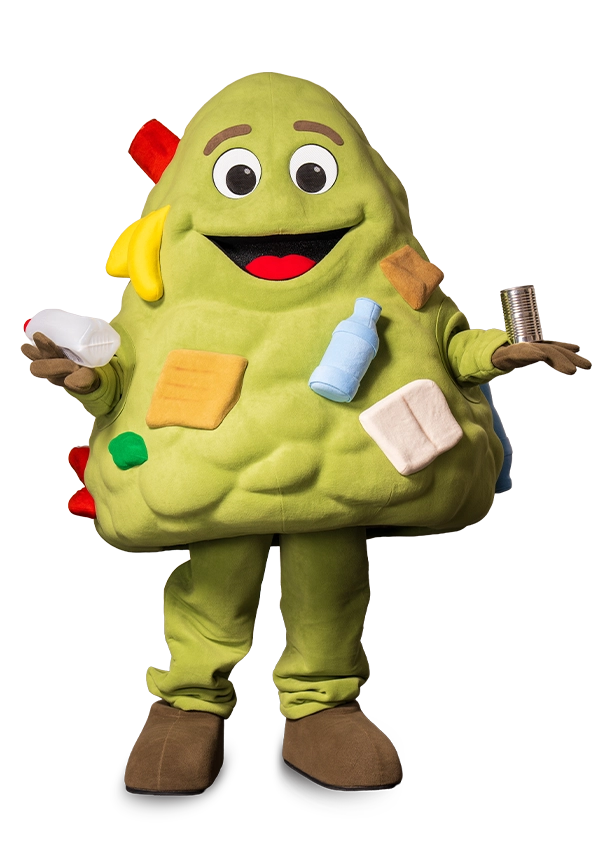
And we, consumers, are the largest source of food waste–more than grocery stores and restaurants combined. See how you can make a simple change that makes a big difference.
Use Less, Save More
Wasting food can eat a hole in your pocketbook. With the right combination of strategy and self-awareness, you can save a lot of money, and keep unnecessary waste from reaching Land Phil.
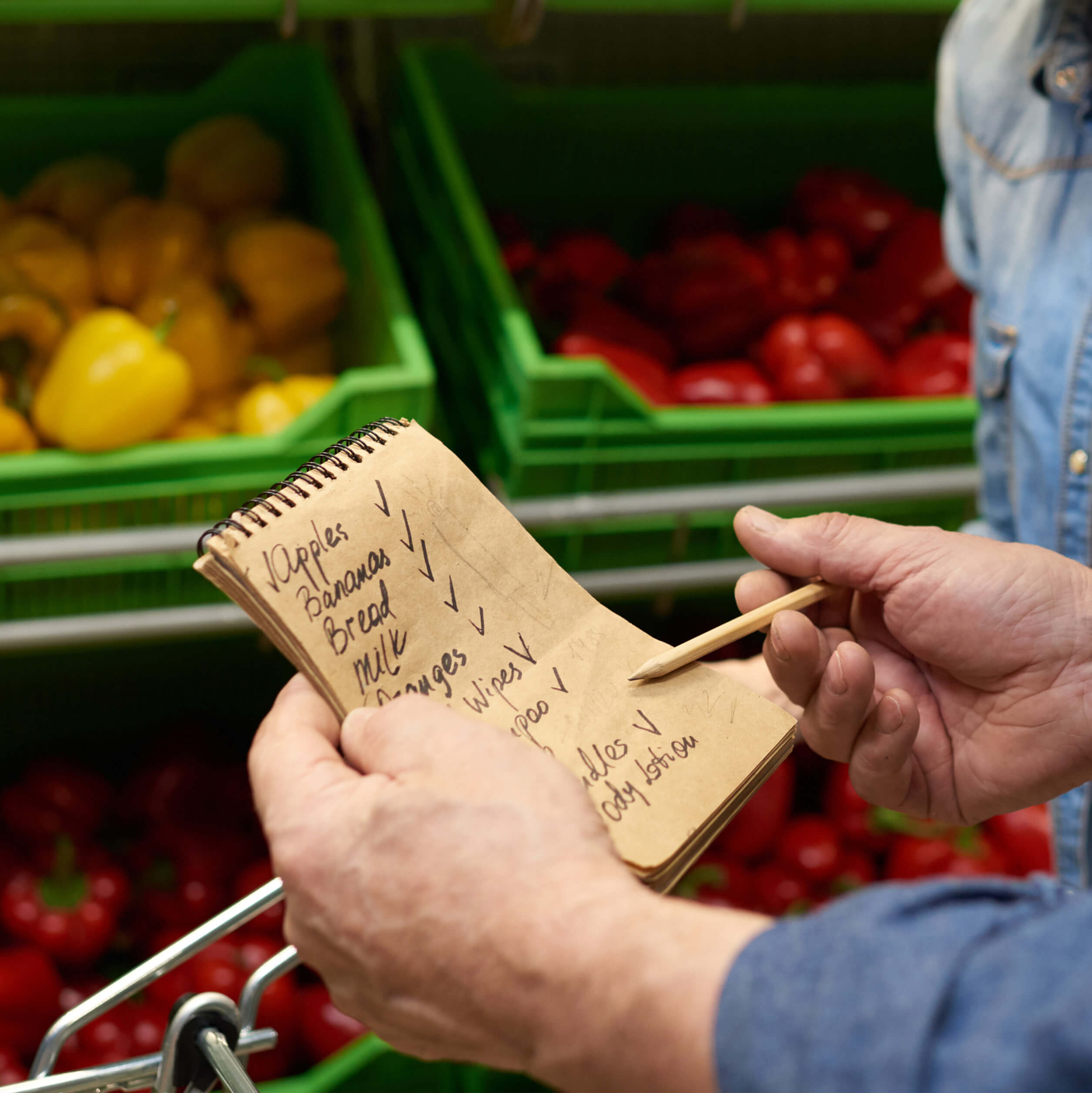
Before getting groceries, make a real plan for what you’re going to cook, and when you’re going to eat it.
Going to the store with a plan will keep your hard-earned money from ending up with Land Phil through spoiled food.

Parents everywhere have said it best: “There’s food at home!” Commit to using what’s in the fridge first before eating something different or going out to eat. Your wallet and your healthy eating goals will thank you!
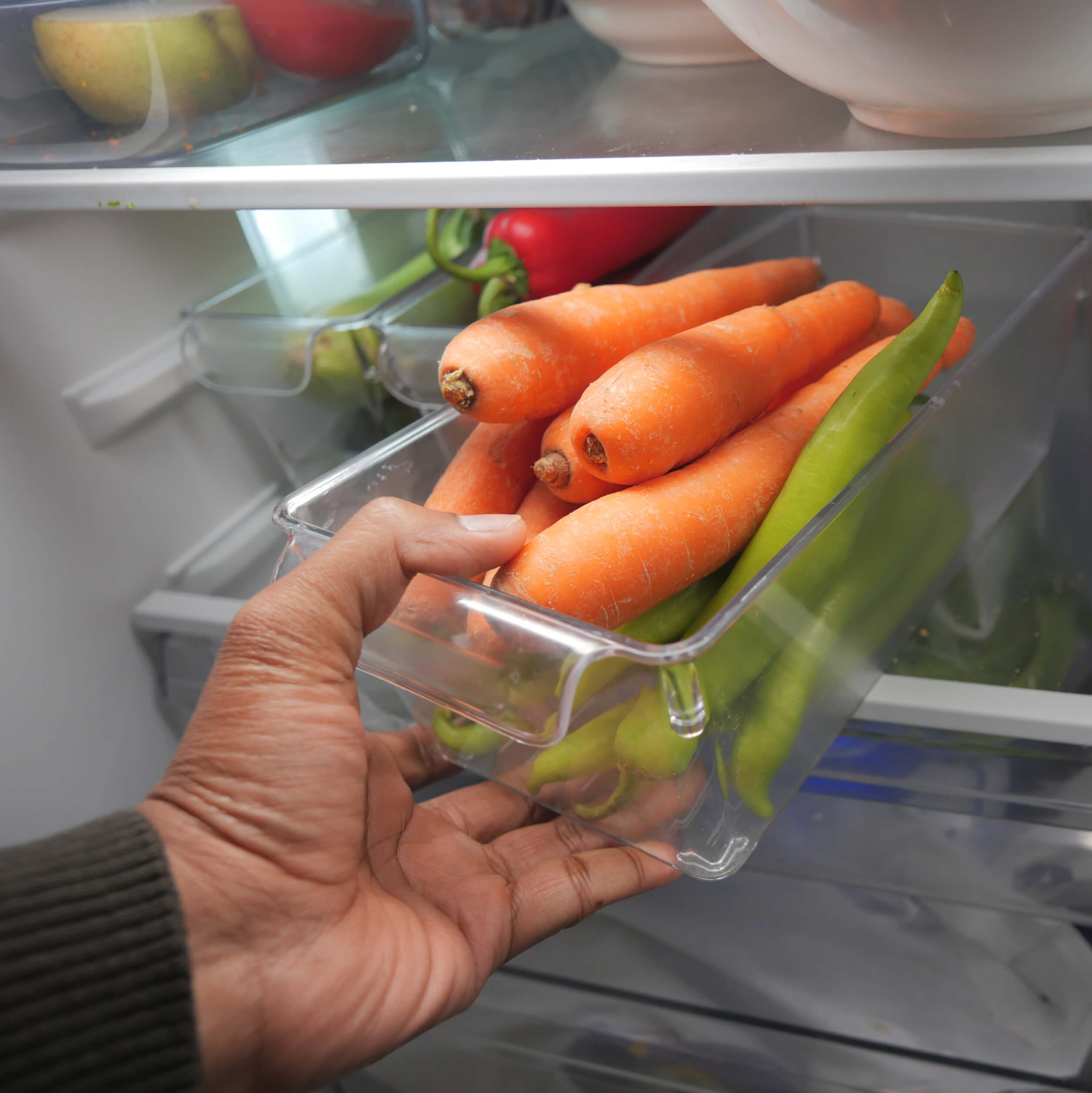
Organize your fridge and pantry by placing the items that will expire first at the front and center—like fresh produce—so that you use them more readily.
Before getting groceries, make a real plan for what you’re going to cook, and when you’re going to eat it.
Going to the store with a plan will keep your hard-earned money from ending up with Land Phil through spoiled food.
Parents everywhere have said it best: “There’s food at home!” Commit to using what’s in the fridge first before eating something different or going out to eat. Your wallet and your healthy eating goals will thank you!
Organize your fridge and pantry by placing the items that will expire first at the front and center—like fresh produce—so that you use them more readily.
Trust Your Senses
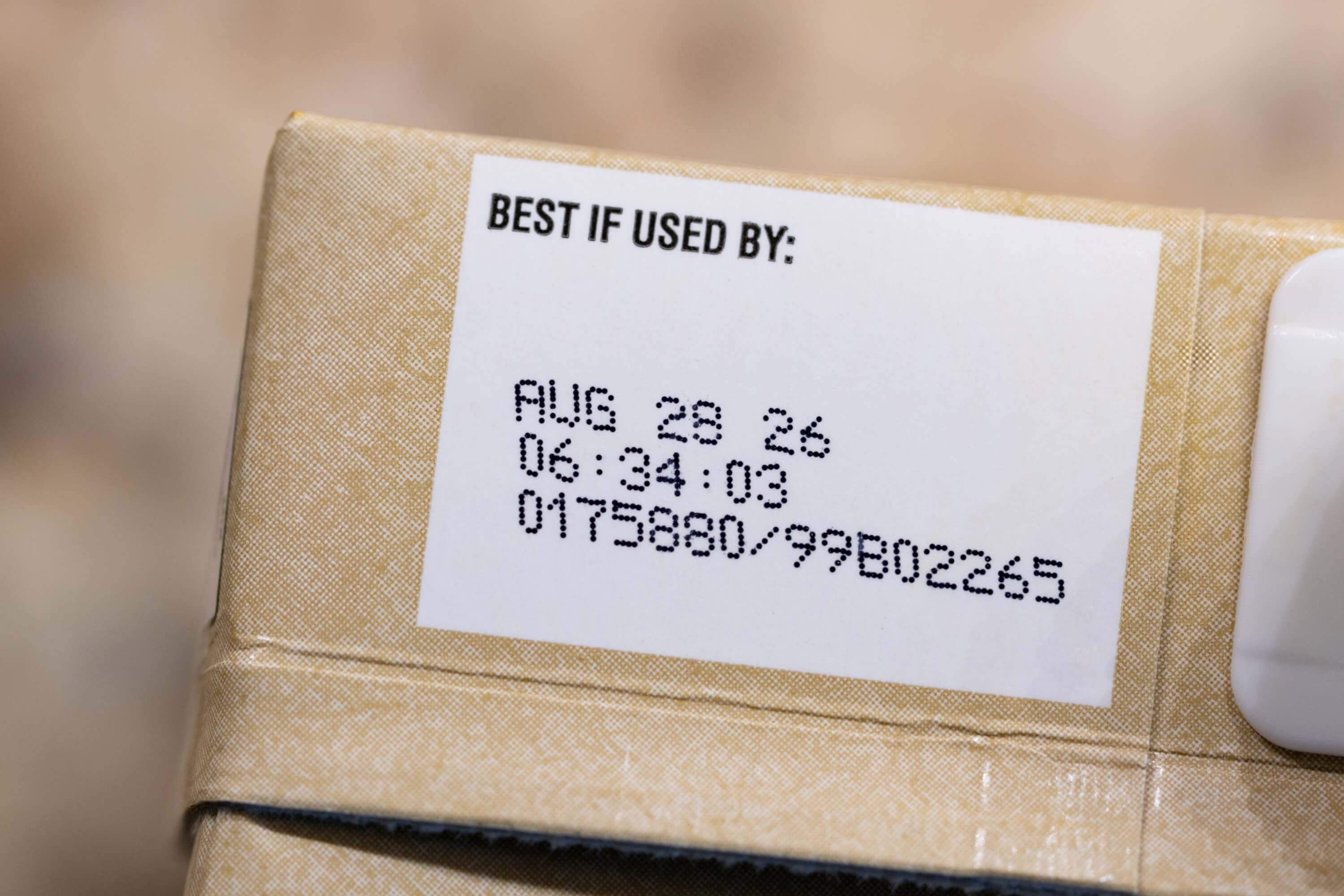
The phrases BEST BY, SELL BY, and USE BY are indicators of food quality—not food safety.* Food may still be safe to eat past these dates. Instead of relying completely upon the dates, use your senses too. Look, smell, and taste to avoid food waste.
*Excluding infant formula.
Feeding Our Community
Here in Lincoln, we’ve got a plan to ensure our community has access to nutritious, locally produced food. By using what we grow here, we can limit waste and keep everyone fed and healthy.
Lincoln Local Food System
A thriving Local Food system reduces food insecurity, benefits the local economy, and helps protect the environment.
Plant for Hunger
Plant for Hunger encourages gardeners to donate surplus harvests to our local food pantries, ensuring fresh, nutritious food reaches those who need it most. Gardeners can find a pantry to donate food to.
Resources for Businesses
Restaurants, cafes, grocery stores, and other businesses have a part to play too. Find the resource you need below to impact food waste in our city.
Mayor’s Local Food Challenge
Running July 1 to October 31, participants can choose program options that fit their needs and earn recognition based on their level of involvement.
How can I Prevent Food Waste as a Business?
Businesses can donate their food under the Good Samaritan Food Donation Act of 1996. The act provides limited liability protection for persons who make good-faith donations to nonprofits that serve needy individuals. Donations are often also eligible for enhanced tax deductions. Start by reaching out to a nonprofit that accepts food donations, such as the Food Bank of Lincoln. Donated food must be stored, prepared, packaged, displayed, and labeled in accordance with the law. Visit the USDA’s Donating website for more guidance.
Businesses can Get a Tax Credit!
Under Nebraska Revised Statute § 77-27,241, qualifying businesses may claim a non-refundable income tax credit equal to 50% of the value of donated food, up to $2,500 per tax year. Food donated by a grocery store retailer or restaurant must be valued at its wholesale value. Qualifying agricultural food donations must be valued at the prevailing market value of the product at the time of donation, plus the direct cost incurred for processing the product. See the Bill Emerson Food Donation Act.
If you work at a grocery store that’s interested in reducing food waste. You can reach out to the Lincoln-Lancaster County Health Department at: hpo@lincoln.ne.gov