Get to Know
Your Land Phil
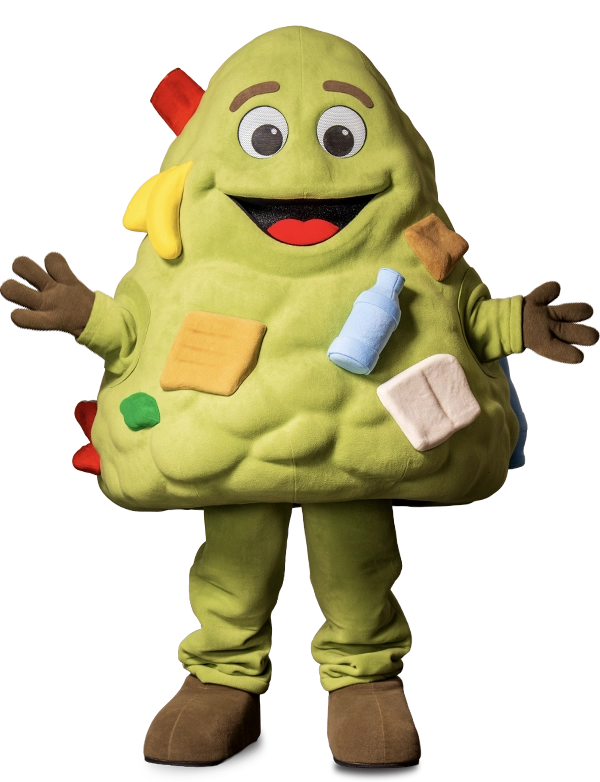
Layers on layers.
Tons to love.
Land Phil has been taking care of all of Lincoln and Lancaster County’s garbage (less commonly known as municipal solid waste) on Bluff Road since it opened in 1989. At the beginning, he would receive a few garbage trucks bringing material to him—an estimated 150 trucks a day. But as the city grows, he’s growing with it. Land Phil now receives an estimated 450 trucks a day.
Here’s the thing about Land Phil: he’s more than just a hole in the ground. He’s got layers. He’s highly complex, scientific, and engineered with environmental protections to keep groundwater safe. We are keeping our environment safe by making sure that Land Phil doesn’t spread where he shouldn’t.
Most importantly, he’s an integral part of our community. It’s high time we show him a little love by thinking through how we manage the garbage we produce every day. Let’s show Land Phil a little love by reducing, reusing, and recycling items instead of throwing them his way. Your efforts will save resources and give Land Phil room to grow.
The Life of
Land Phil
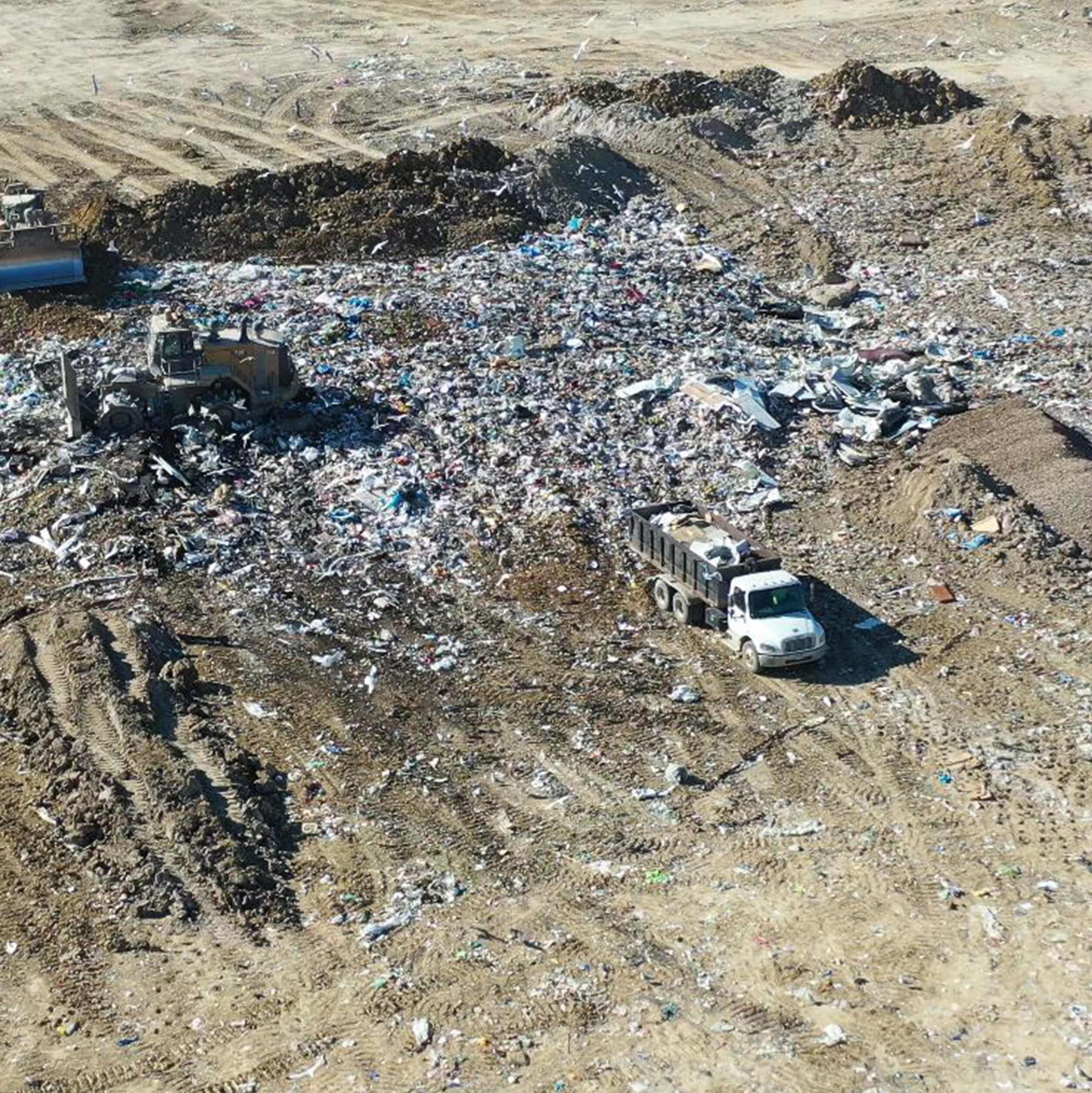
He works hard! He’s open 362 days a year. Each day, he welcomes City of Lincoln Solid Waste Management staff in the morning, who help him prepare the site for the estimated 800 tons of garbage.
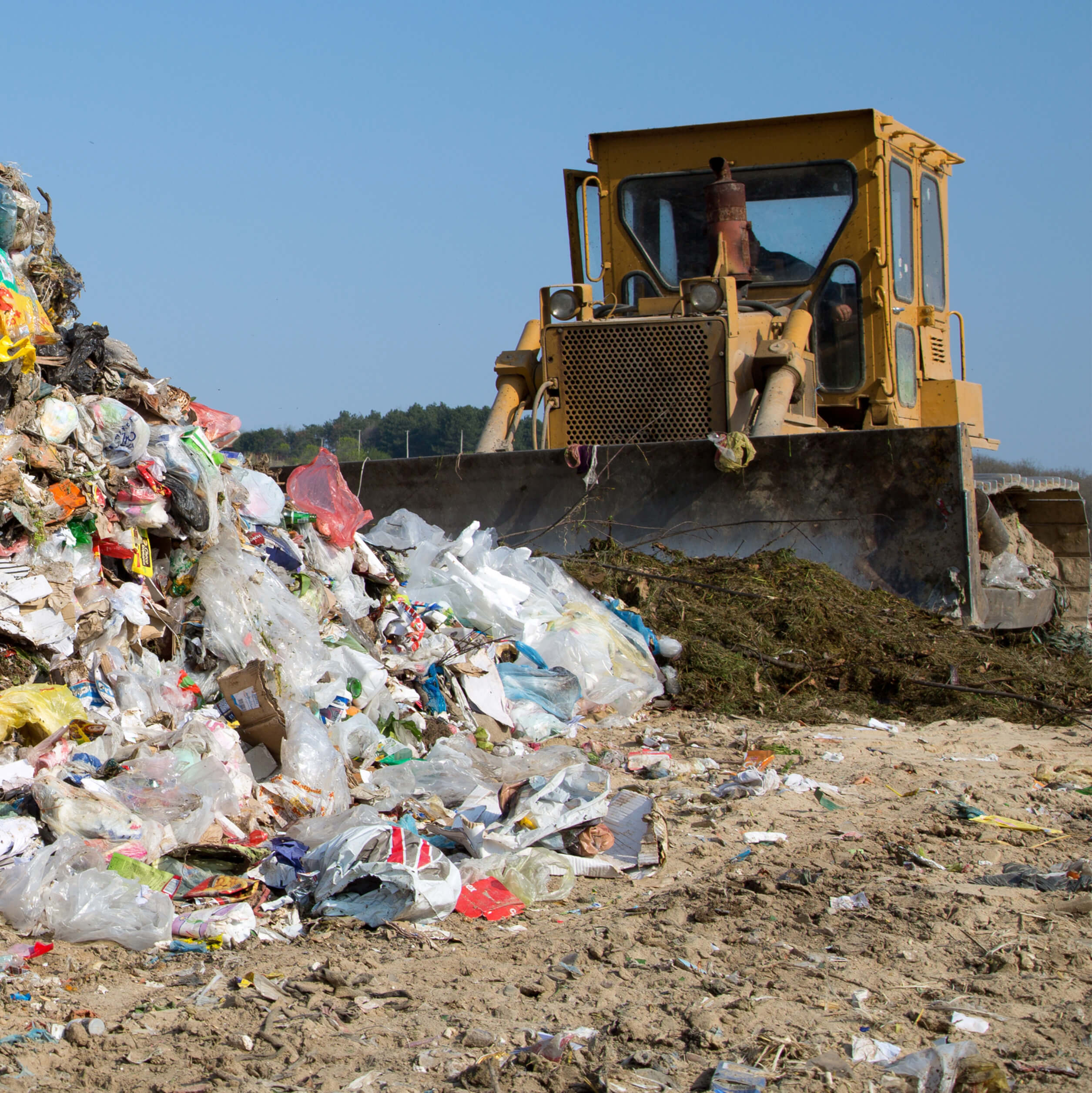
Big machines flatten, push, smash, and bury the incoming garbage from Lincoln and Lancaster County. At night, the new garbage is covered by soil to protect it from blowing, keep birds and other animals out, and reduce odor and fire risk.
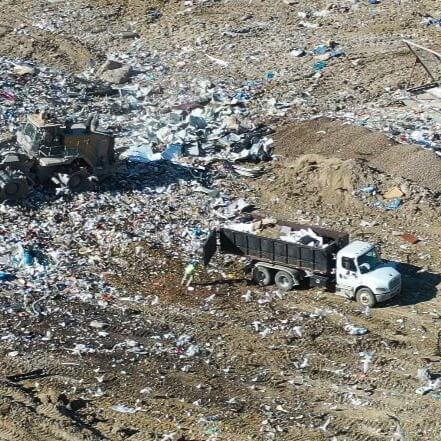
Land Phil is a stickler for the rules! He follows over 275 federal and state rules.
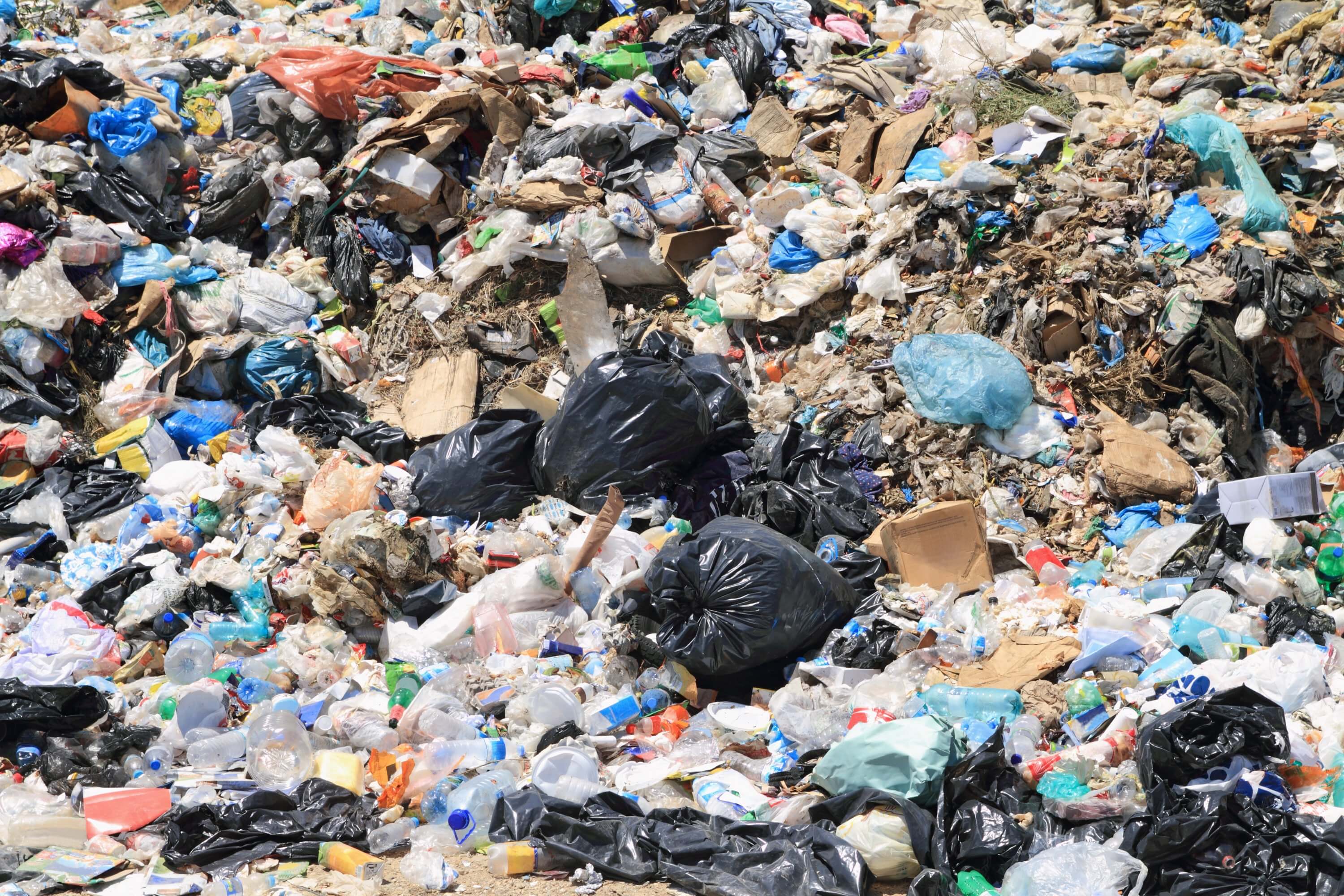
Land Phil has layers, and each one provides a new area for garbage to be placed. As the layers of garbage pile up, he will eventually reach his maximum height. When that happens, he will be capped.
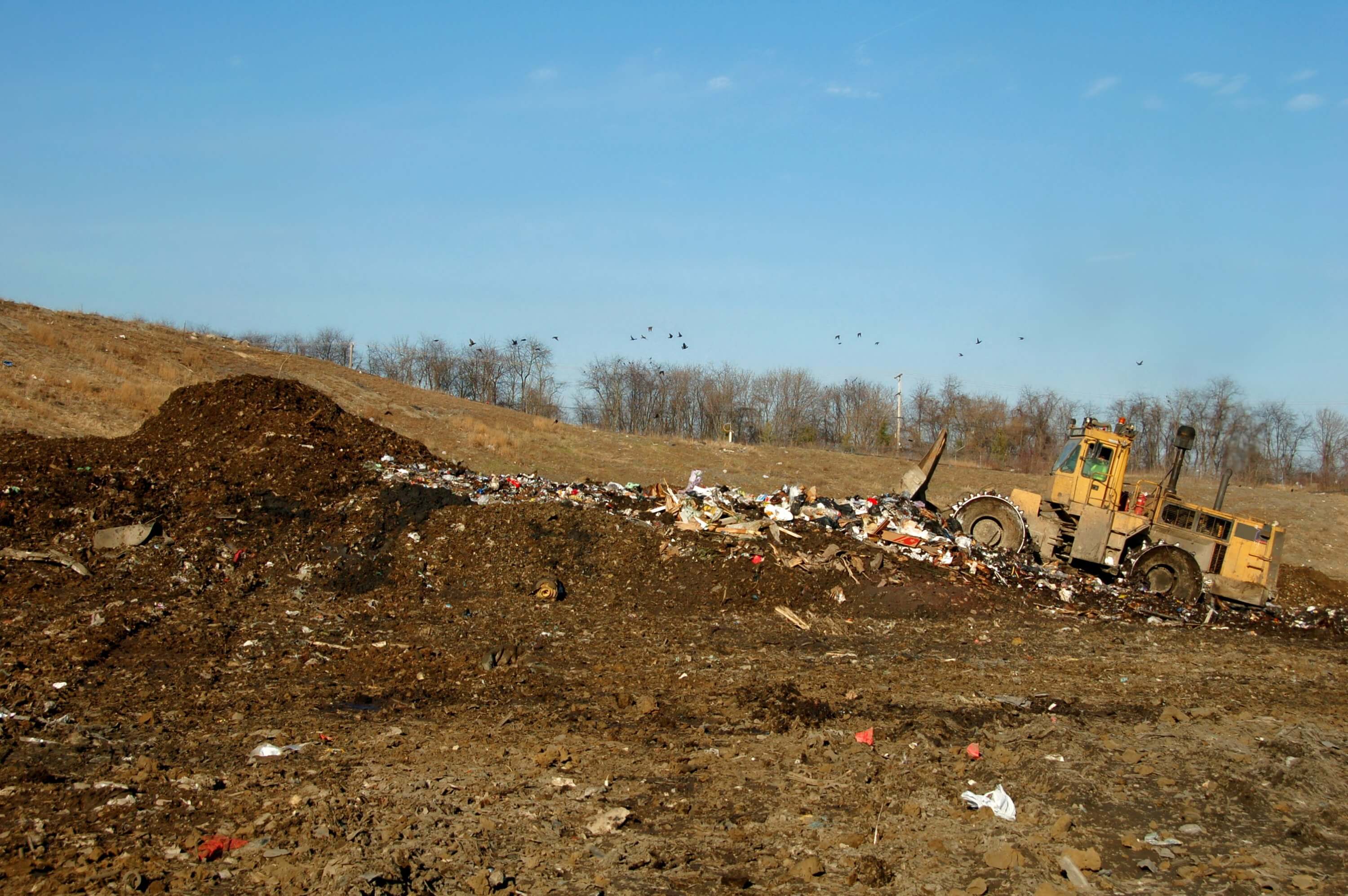
Capping Land Phil means that he’ll get a layer of plastic, top soil, and then grass will be planted to help stabilize the soil so he doesn’t become exposed to the environment. Then a new area will be constructed so more garbage can safely arrive and be placed inside of him.
He works hard! He’s open 362 days a year. Each day, he welcomes City of Lincoln Solid Waste Management staff in the morning, who help him prepare the site for the estimated 800 tons of garbage.
Big machines flatten, push, smash, and bury the incoming garbage from Lincoln and Lancaster County. At night, the new garbage is covered by soil to protect it from blowing, keep birds and other animals out, and reduce odor and fire risk.
Land Phil is a stickler for the rules! He follows over 275 federal and state rules.
Land Phil has layers, and each one provides a new area for garbage to be placed. As the layers of garbage pile up, he will eventually reach his maximum height. When that happens, he will be capped.
Capping Land Phil means that he’ll get a layer of plastic, top soil, and then grass will be planted to help stabilize the soil so he doesn’t become exposed to the environment. Then a new area will be constructed so more garbage can safely arrive and be placed inside of him.
Eyes on Phil
Land Phil’s work goes far beyond the surface. Hear from community cultural center staff on how the landfill operates and why it matters.








Languages
What’s Land Phil Made Of?
Every day, trucks pass through the gates on Bluff Road and deposit garbage into Land Phil. We’ve broken down all the categories of what’s getting added, and it’s clear that he’s filling up with items that could be recovered.
By and large, the most common materials coming to Land Phil are:
Organics
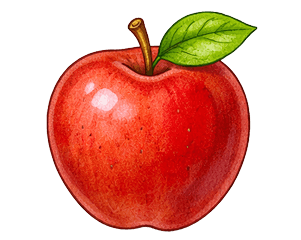
Over half of organic* material waste is food waste (22.7%), which could be reduced with solid strategy and intentional food use. It’s our biggest chance to make a change for Land Phil.
Plastic
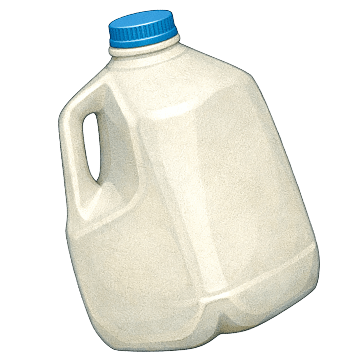
We could bring this number down 2% if Lincolnites recycled more #1 and #2 plastics.
Paper
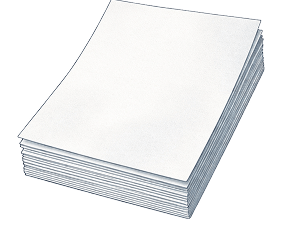
Almost half of this category includes paper that can and should be recycled, including junk mail, cereal boxes, and office paper.
*Organics include food waste (packaged and loose), yard waste, textiles, leather, rubber, soil, dirt, and more.
What About
That Gas?
When oxygen cannot reach the garbage, it becomes anaerobic, and methane gas starts to form from the garbage deep inside Land Phil. Methane is a colorless, potent, green house gas. But—have no fear—Land Phil is pioneering sustainability innovations that drive both economic and environmental progress, reduce emissions, contribute to a healthier city and planet, and generate revenue for reinvestment back into the important waste management services provided to Lincoln community members.
Land Phil produces 1,500 standard cubic feet of methane per minute, which is the equivalent to four megawatts of electricity—enough to power 4,300 houses per year.
This gas is important for renewable energy. Instead of releasing it into the air, Land Phil works with engineers to capture and clean the gas through a series of pipes. Land Phil knows his science!
Once cleaned, the captured gas is pushed into a natural gas line for renewable energy use. By converting harmful waste into a valuable, marketable asset, the efficiency of Land Phil’s operations increases, local greenhouse gas emissions are reduced, and the community’s top-ranked air quality is enhanced.