Land Phil doesn’t like recyclables.
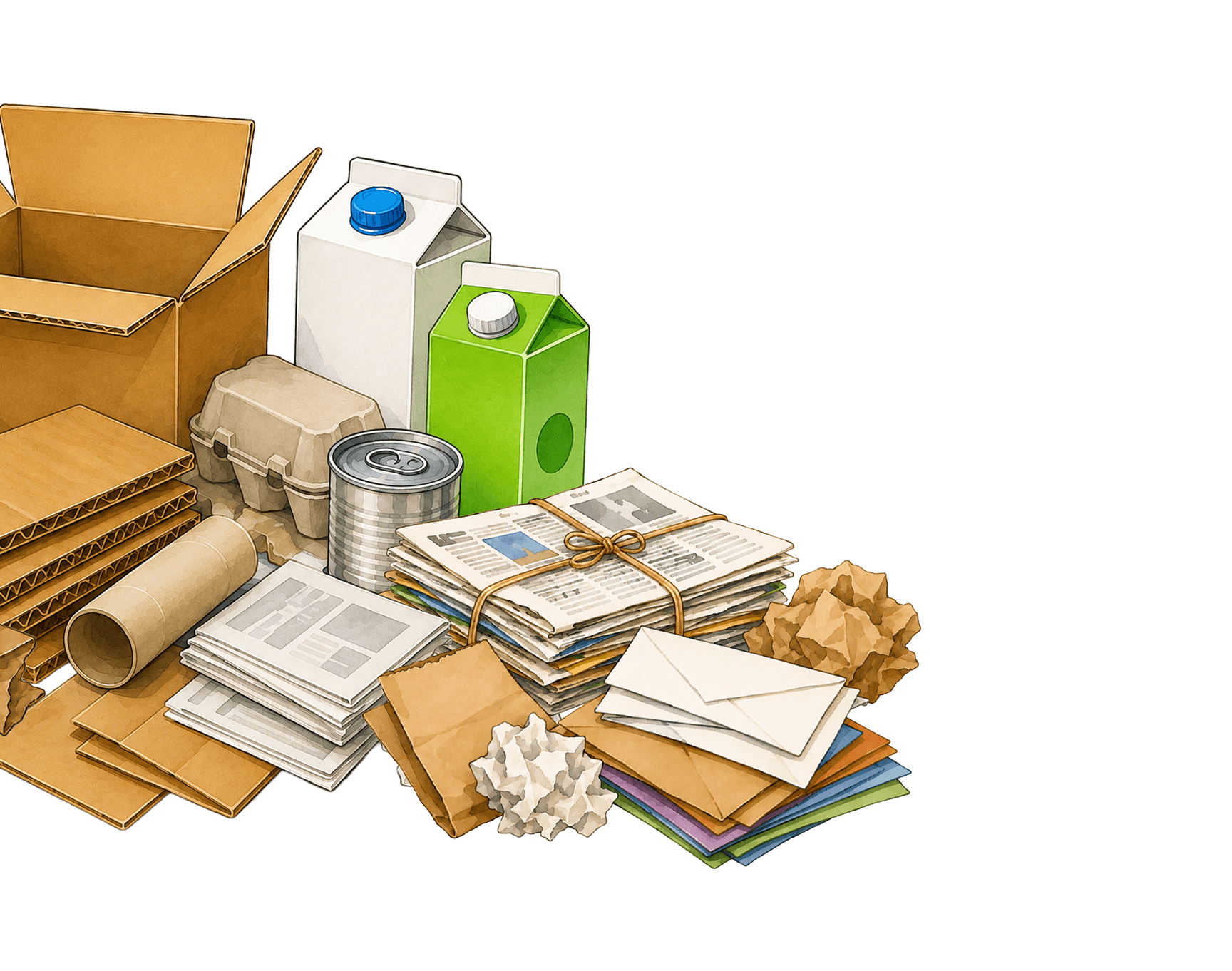
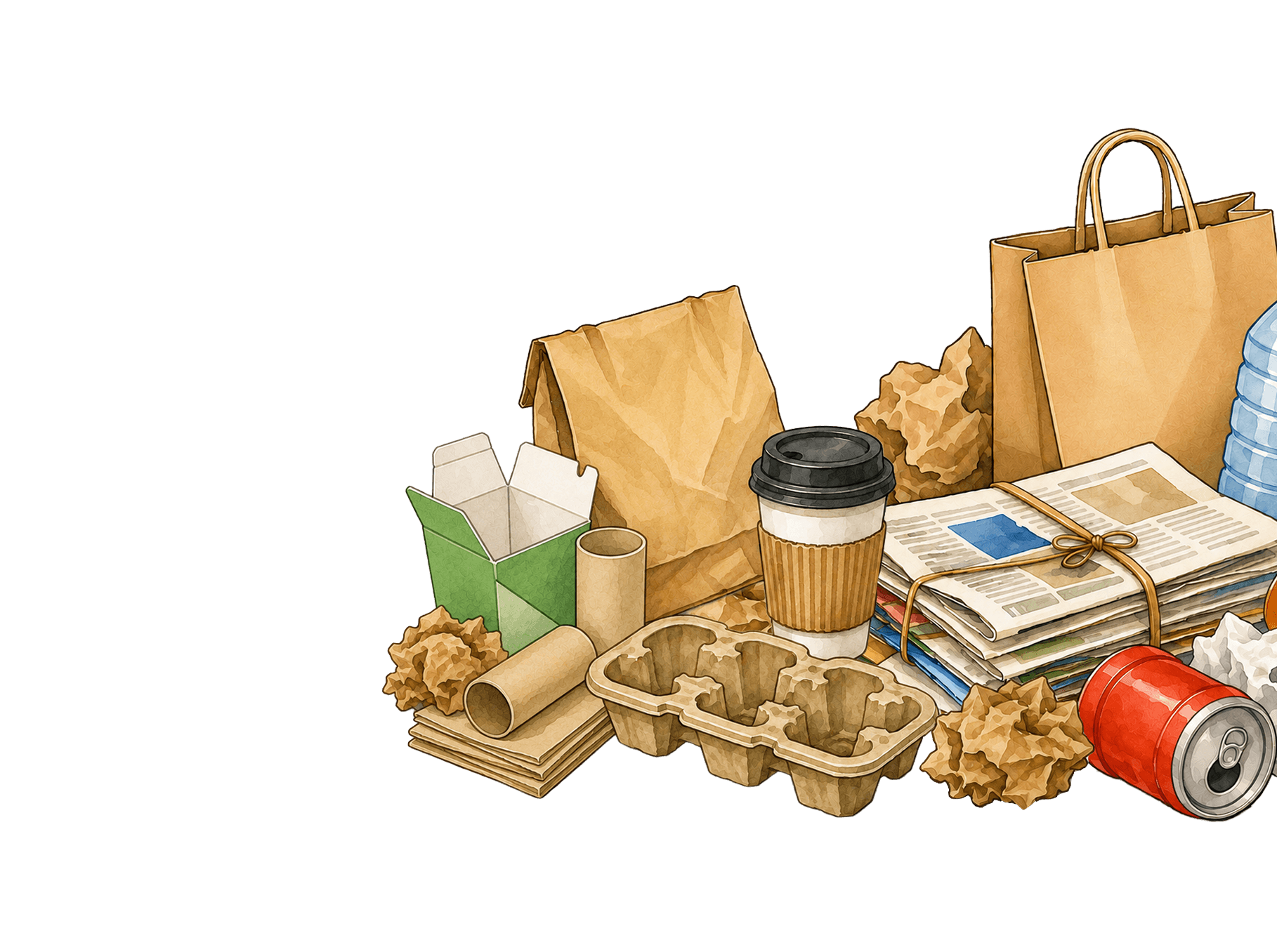
If it can be recycled, he doesn’t want it. That means paper, metal cans (like aluminum and tin), certain plastics, and cardboard. They can go elsewhere, and they should. Some people claim they’ve actually heard him say, “Yuck, not again,” when an aluminum or tin can lands on his pile.
Recycling
in Lincoln
Curbside
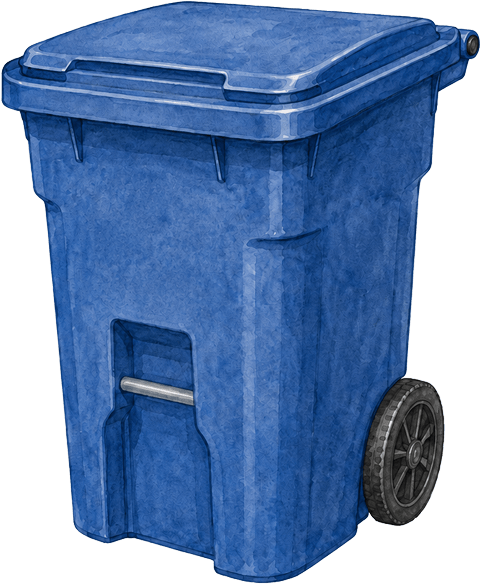
All of Lincoln’s garbage collectors offer bundled garbage and curbside recycling services, making it convenient to incorporate recycling into your everyday routine.
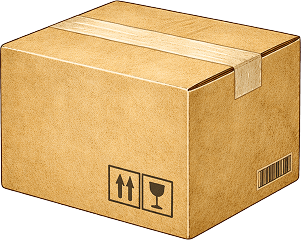
Collection Sites
If you live in an apartment, or you can’t subscribe to a curbside recycling program at your home, there are recyclables collection sites around town so that you can still do your part to keep recyclables out of Land Phil!
Start With Simple Materials
Leave your recyclables loose, not bagged. Make sure they’re clean, empty, and dry, and they will go through the process of becoming something new!
Plastics
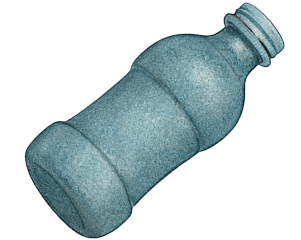
#1, #2, and #5
Bottles, jugs, and tubs
Paper
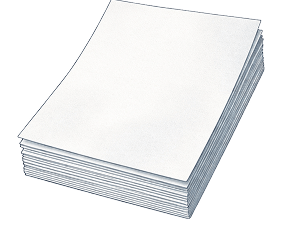
Newspaper, magazines, junk mail, cereal boxes, cartons, etc.
Corrugated
Cardboard
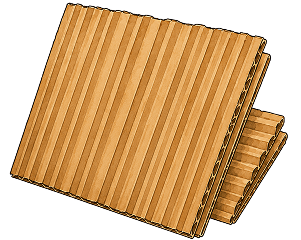
Think two lines with a squiggle in the middle
Metal Cans
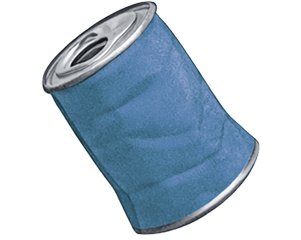
Aluminum and tin
How Does
It Work?
Many community members support Land Phil and his mission. Hear from community cultural center staff who go behind the scenes to show how recycling works.








Languages
Many things can be recycled, but not directly in your bin.
Non-recyclable items placed in the wrong bin hurt the recycling process. They can injure people working at recycling facilities, damage machines, and clog up the recycling process.
Plastic Bags
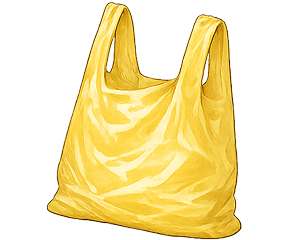
Never in the bin. Instead take them to one of the grocery stores that have plastic bags and film collection bins.
Rechargeable Batteries
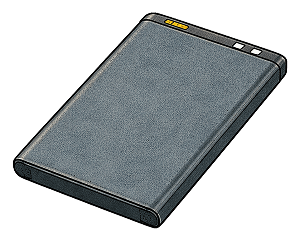
If disposed of improperly, rechargeable batteries can start fires. Find a drop-off location and help keep everyone safe.
Light Bulbs
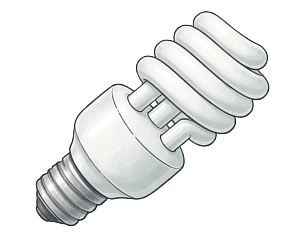
These little glass bulbs with metallic elements should be recycled at home repair stores like Home Depot® and Lowe’s®.
Foam Packaging
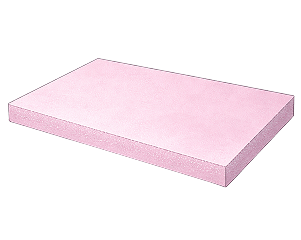
Avid recycler? Call the recycling hotline at (402) 441-8215 for more information.
Electronics
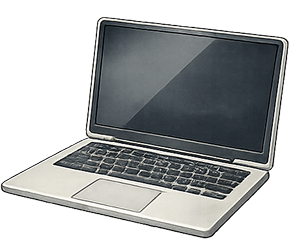
Electronics stores like Best Buy® and Staples® accept many electronics for recycling.
Where Does It
All Go?
Recycling is a group effort. This map tracks all the miles your recycling travels so it can reenter the materials market, keeping new material costs down and Land Phil’s happiness up.
When in doubt, throw it out.
Throwing something in a recycling bin without being sure if it is recyclable is what we call “wishcycling.”
If you’re unsure whether something is recyclable, throw it away. Non-recyclable materials can slow the sorting process, injure workers, and damage expensive sorting equipment. Knowledge is power, and Land Phil needs you to know how to become a recycling superstar. For more information on what belongs in the bin, play the “What Bin Does It Go In?” game on the City of Lincoln website.
Recycled Questions
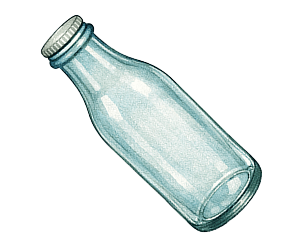
Glass doesn’t belong in your curbside recycling bin. The only place it belongs is at community recyclables collection sites, where there is a glass only bin for disposal.
Yes, leave the lids on! Loose lids will not make it through the sort line.
Nope! You can leave the labels on steel, tin, glass, and plastic.
Oh, yes, please! Flattening cardboard saves space in your bin and ensures it gets through the recycling sort line appropriately.
No. If you wouldn’t store it in your car for a week, don’t put it in the recycling bin. Also, who would want to touch your dirty dishes? There is no need to deep clean. Remove visible food.
No, you do not! In fact, it’s more helpful if they stay uncrushed. If an aluminum or tin can is crushed into a flat 2-dimensional shape, it may be mistaken for paper and sorted incorrectly.
As long as there is no food waste in the box, it can be recycled—even if there is a little grease. If the box is heavily soiled, tear off the clean top of the box and recycle it. You can compost the soiled portion or throw it in the garbage.
Though hoses are made of plastic, they can’t be recycled and need to go to Land Phil—just like plastic straps or string.
To find out how to recycle electronic cords and wires, as well as holiday and string lights, click here.
You can keep reinventing plastics #1, #2, and #5 by recycling them into something new!
(CleanHub, 2024)Every ton of recycled paper saves 30,000 liters of water and 17 trees.
(Environmental Studies Institute, 2006)74.5% of all aluminum ever produced globally is still in use today.
(International Aluminium Institute, 2024)Know Your
Plastics?
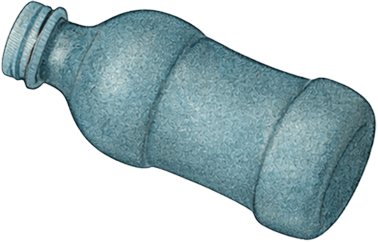
Water Bottles
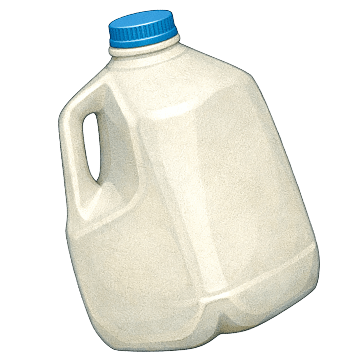
Milk Jugs
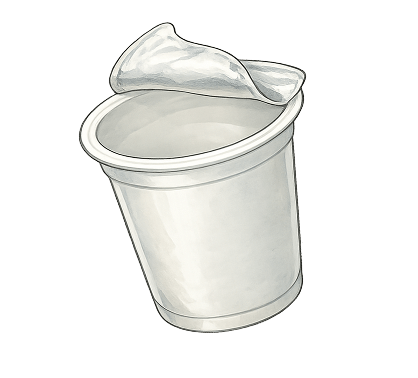
Yogurt Containers
Numbers #3, #4, #6, and #7 are not recyclable.